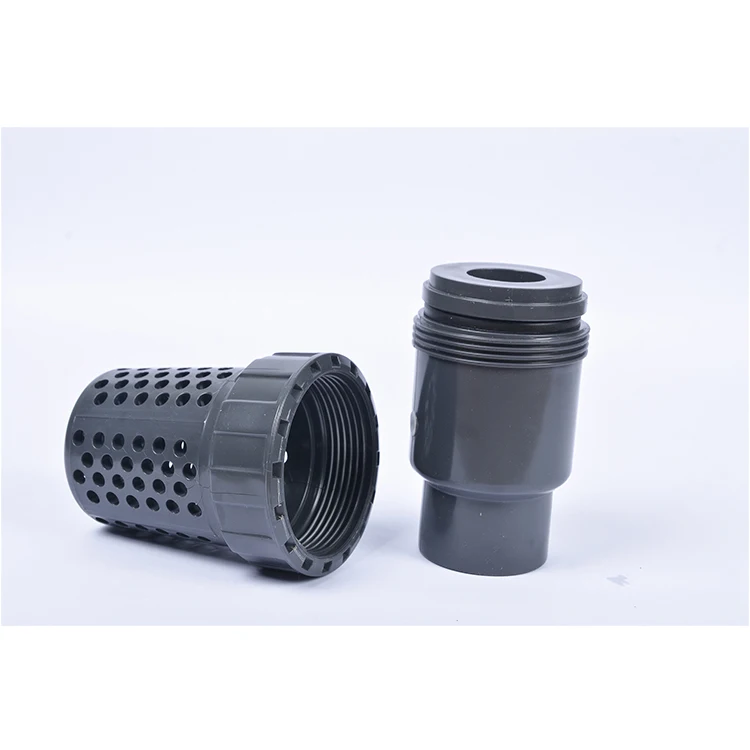
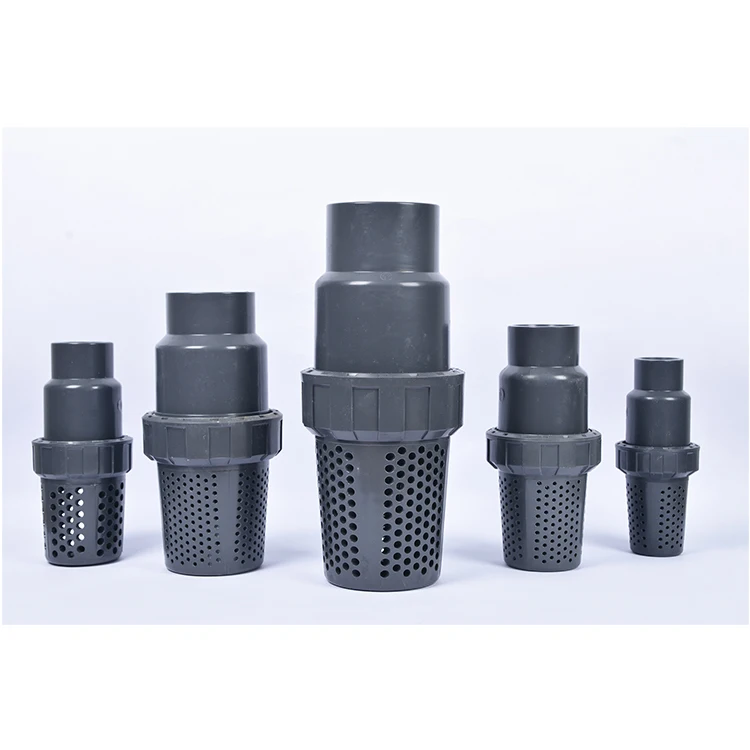
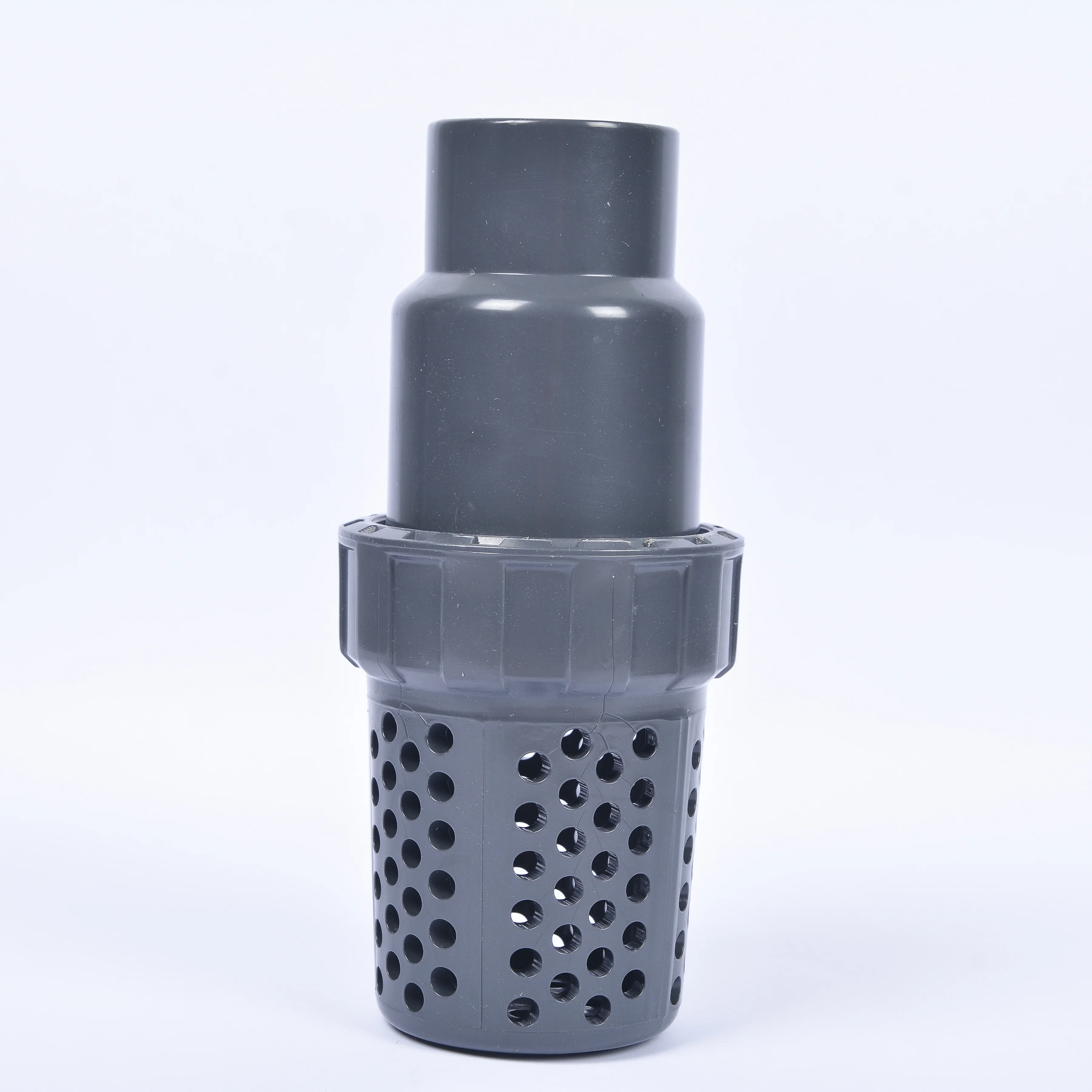
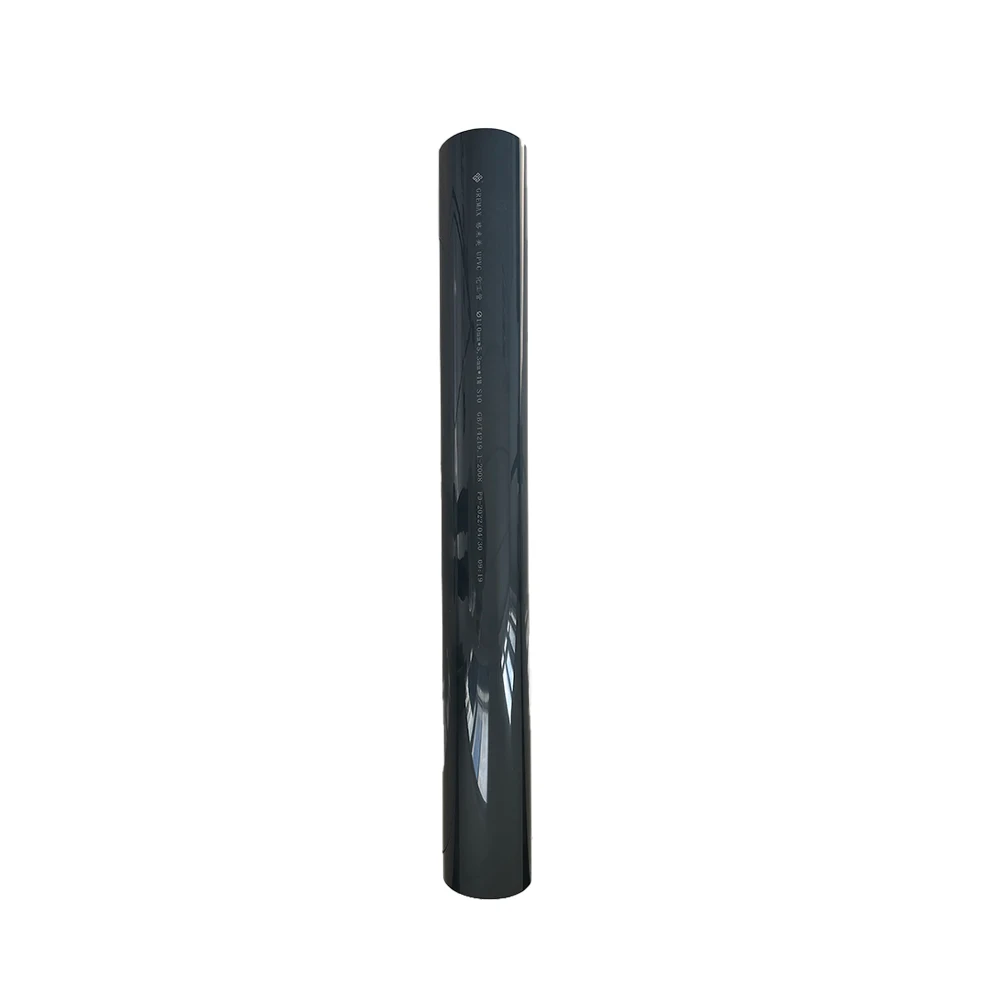
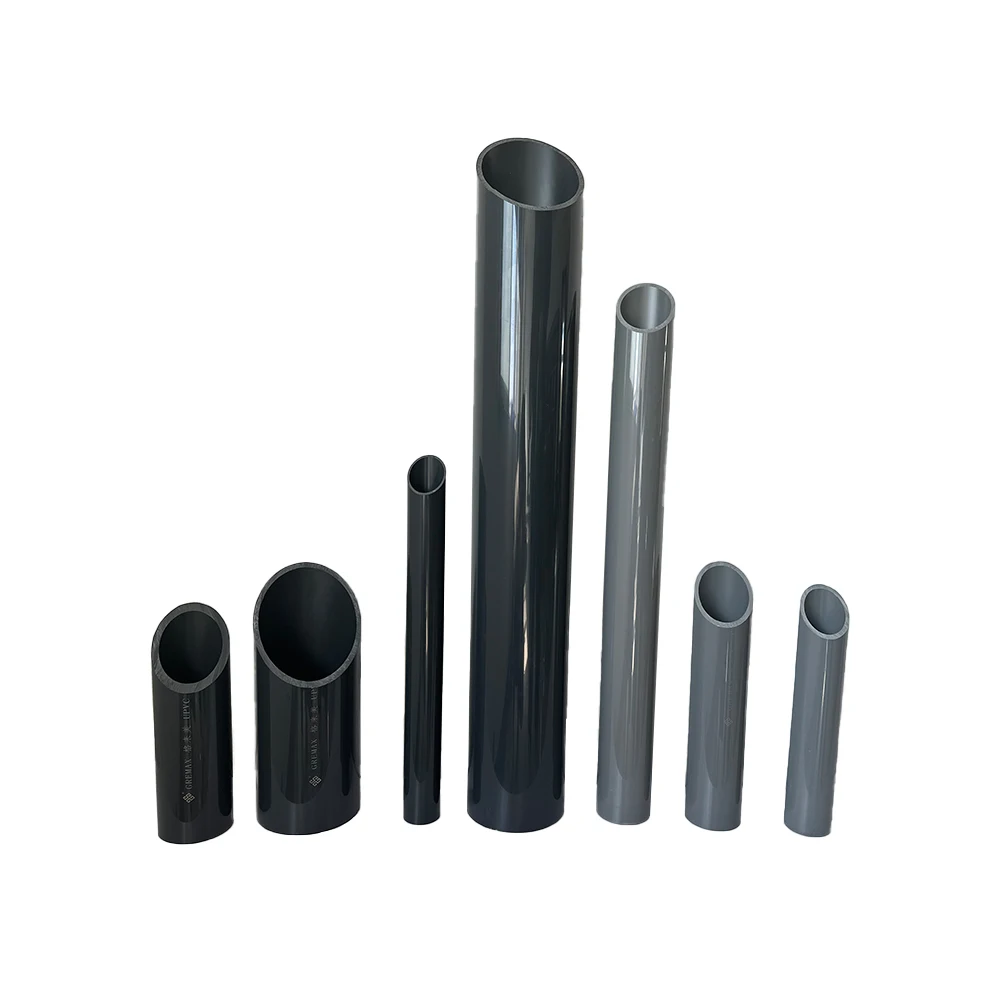
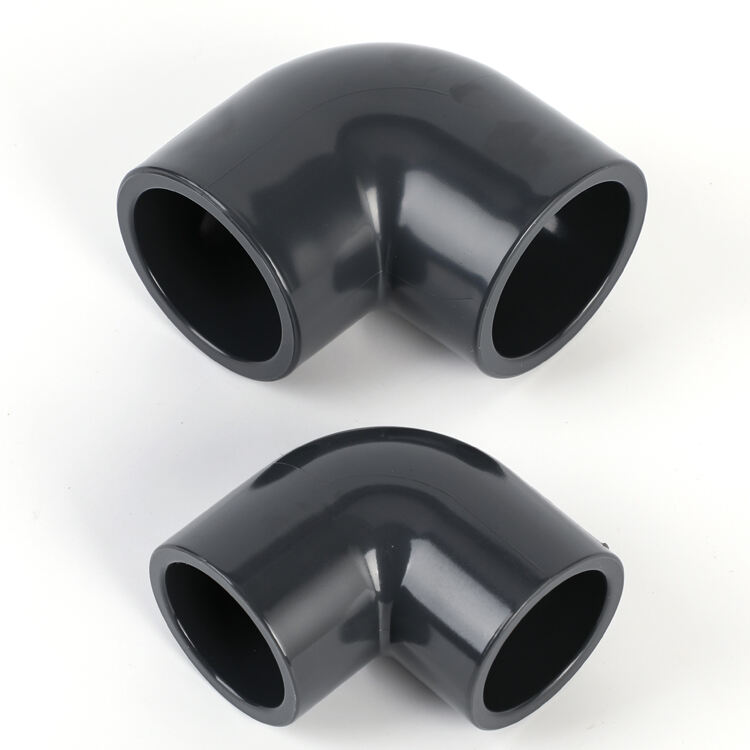
Simple aspect in plumbing prominence assists. UPVC stands for unplasticized polyvinyl chloride, a durable form of plastic used for pipes. UPVC attaches a joint such that two UPVC pipes snug tightly and do not allow any leakage.
Tools you might need to install a UPVC joint will include a pipe cutter, glue (known as solvent cement), and a clean cloth. Use the pipe cutter first to cut the UPVC pipes to the required length. Next, wipe the edges of the pipes with the cloth to remove any dirt. After that applies the glue to the pipes and within the UPVC joint and press them once. Neither was the joint to dry for the time indicated, and then check for leaks.
Reasons to use UPVC joints in Plumbing There are many good reasons. I believe that UPVC joints are sturdy and do not rust, thus, they can be used for plumbing both inside or outside. They are light and easy to install as well, thus saving time. UPVC joints are cheaper compared to other types of joints, so they are a staple choice for homeowners. They have smooth surfaces on the inside, which facilitates the flow of water and prevents pipes from being clogged. UPVC joints can ensure that the plumbing continues to operate effectively over time.
Regular checks can ensure the effective working of your UPVC joints. Seek out fissures, leaks or color changes, as they can signal a problem. It is also knowing to help keep the joints clean. Wipe them down using a soft cloth to remove any dirt. Never use strong chemicals or rough materials that can damage the UPVC.
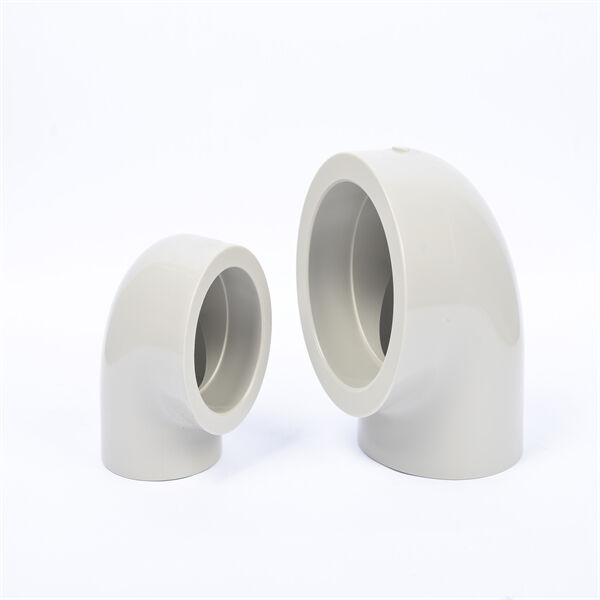
Avoid the temperature, if the water passing through the pipes is very hot or cold then make the joints expand or shrink and cause a leak. By following the steps mentioned above, you can maintain your UPVC joints.
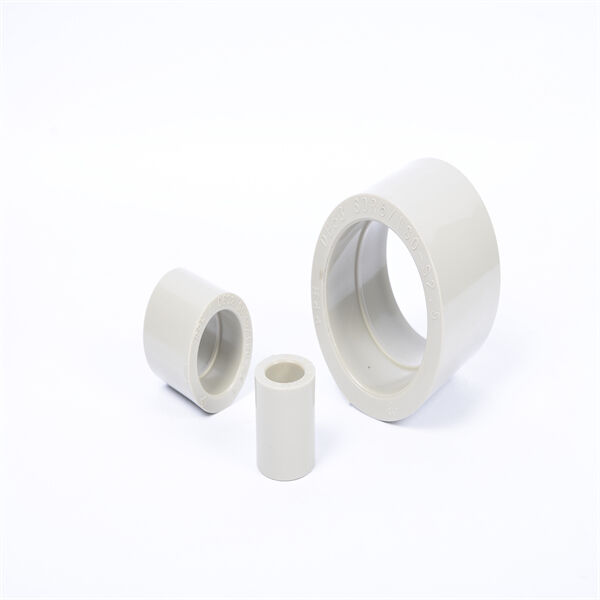
A second error is sticking the wrong glue or applying it improperly. When joining UPVC consider only using glue made for UPVC (and following these instructions). Applying too little or too much glue can weaken the joint and cause leaks.
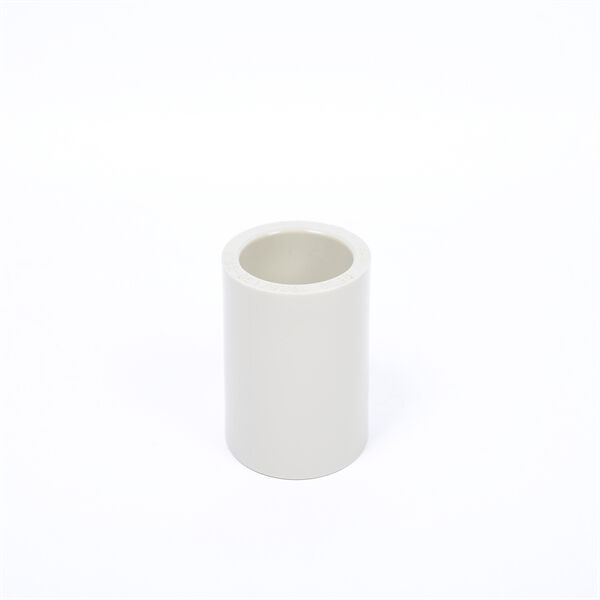
All the plumbing needs come with their specific types of UPVC joints. One is a socket joint that connects two pipes end to end. Socket joints are easy to install and provide a good seal.
GREMAX UPVC is composed of PVC resin, which is non-hazardous substance. UPVC is excellent option for applications involving potable water. Because UPVC is non-toxic and does not release chemical compounds in the water supply. UPVC pipes are also FDA-approved for use in food and beverage applications. This means that it makes UPVC excellent option for pipework in restaurants, hospitals, and other food service applications. UPVC Pipes behave neutrally irrespective of the nature of their carrier fluid / water and because they are inert and tasteless, this is why they are the best choice for water transport in drinking. Additionally, UPVC pipes are 100 percent lead-free, which means they are safe for your family.
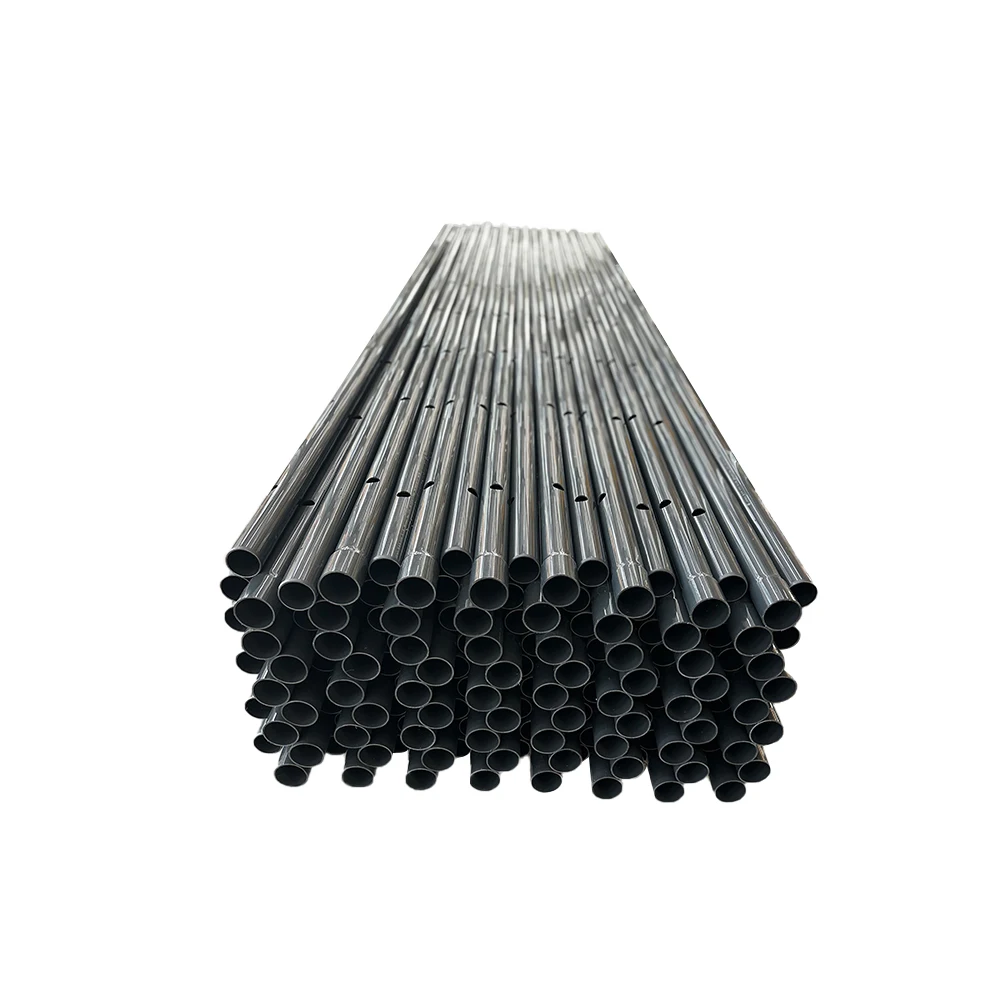
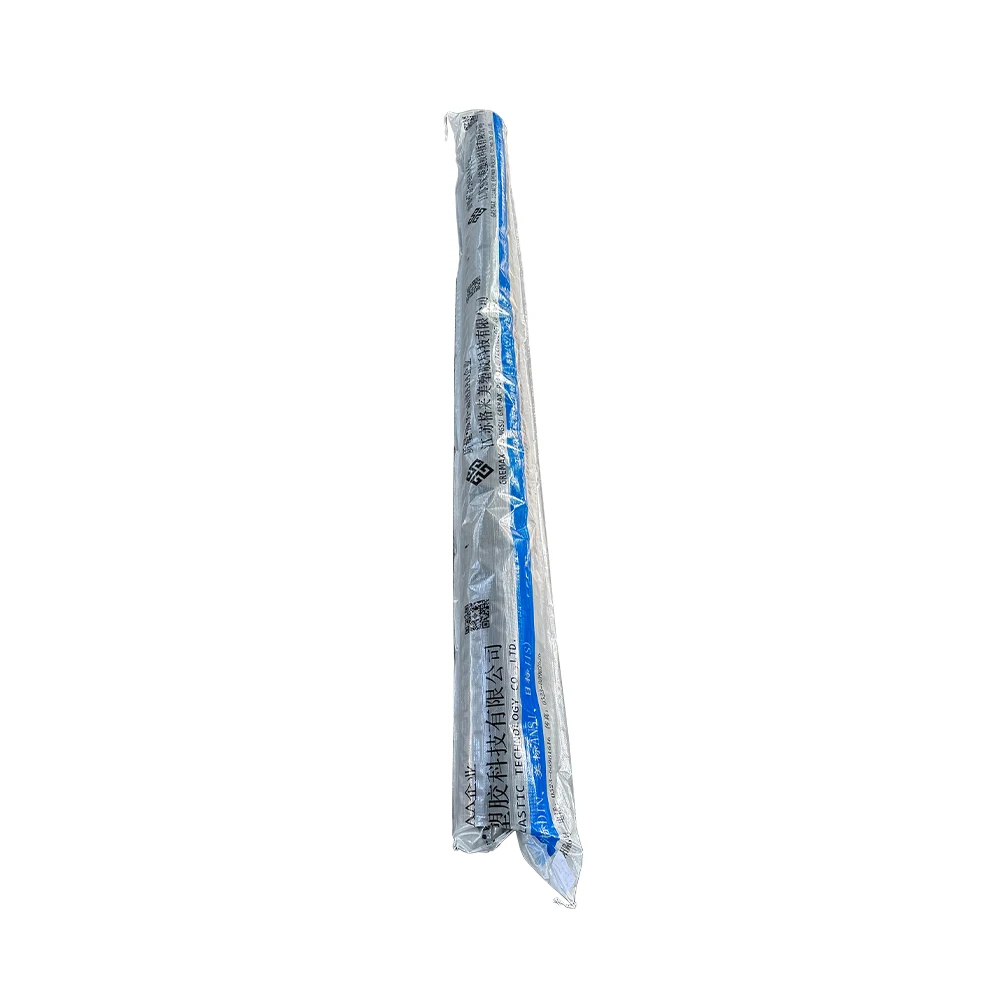
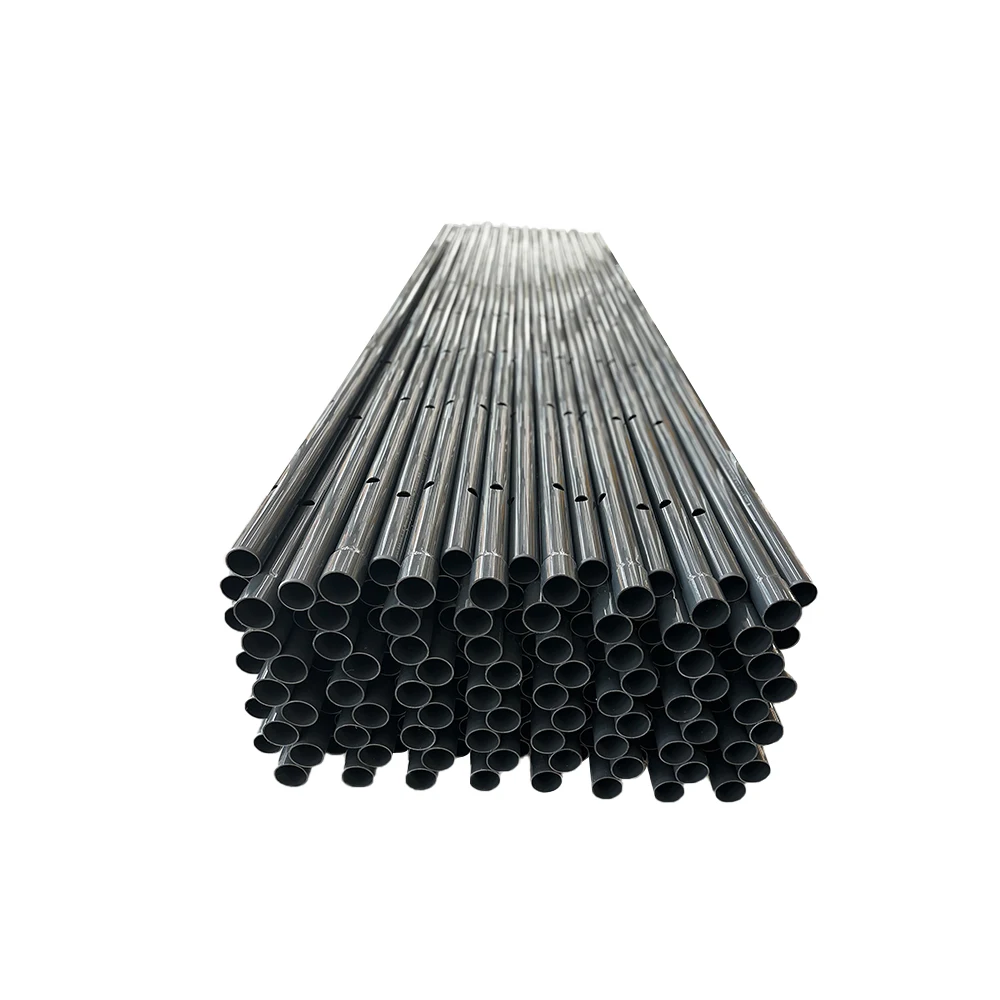
UPVC pipe easily handled, transported and installed as they are lightweight. UPVC pipes are economical since they require minimal cost of installations and transportation.
GREMAX UPVC pipes are extremely durable and can last up to 50 years if they are maintained with good maintenance and assuming that pipelines are constructed according engineer's design and installations is completed by following the typical pipeline installation and jointing procedures.. UPVC is great choice for piping that will last for long time. UPVC is also resistant corrosion, weathering, and chemical damage. It means UPVC pipes will not rust, rot or degrade over the course of time.
Resistant against rust and chemical, UPVC pipes do not break or crack easily. They require minimal maintenance and consequently the operating costs are not excessive. Because UPVC pipes aren't susceptible scaling, they don't require regular cleaning or maintenance. This makes UPVC pipes a cost-effective option.
Our professional sales team are waiting for your consultation.

 EN
EN
 AR
AR
 BG
BG
 HR
HR
 CS
CS
 DA
DA
 NL
NL
 FR
FR
 DE
DE
 EL
EL
 HI
HI
 IT
IT
 JA
JA
 KO
KO
 PL
PL
 PT
PT
 RO
RO
 RU
RU
 ES
ES
 SV
SV
 CA
CA
 TL
TL
 IW
IW
 ID
ID
 LV
LV
 SR
SR
 SK
SK
 SL
SL
 UK
UK
 VI
VI
 SQ
SQ
 HU
HU
 MT
MT
 TH
TH
 TR
TR
 MS
MS
 BE
BE
 KA
KA
 PA
PA
 XH
XH